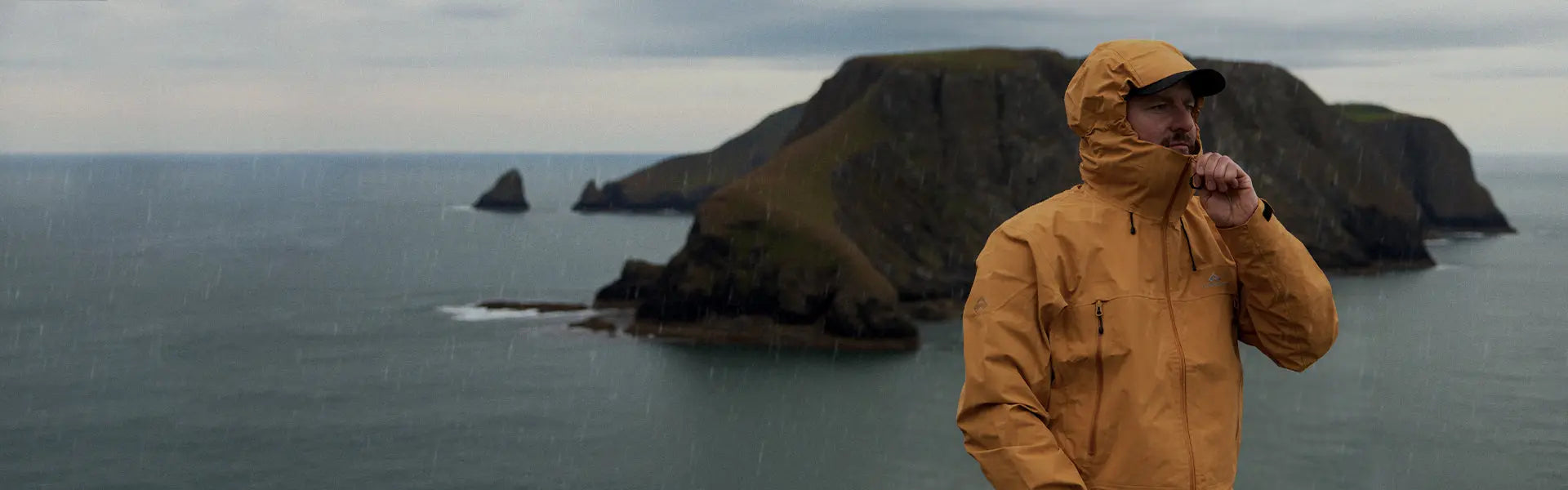


They Both Keep Rain Out—So Why Are They Different?
Imagine you're packing for a summer hike.
The forecast says there's a 40% chance of rain.
You open your closet and see two options:
A lightweight rain jacket that packs into its own pocket.
And a technical hardshell jacket built for serious outdoor adventures.
Both claim to be waterproof.
Both look similar.
Both are designed to keep you dry.
So what's the difference?
The short answer is simple:
All hardshells are rain jackets, but not all rain jackets are hardshells.
Understanding the difference can help you choose the right gear—and avoid carrying more jacket than you need or ending up underprepared when the weather turns.
What Is a Rain Jacket?
A rain jacket is designed with one primary goal:
Protect you from rain.
Most rain jackets focus on:
- Waterproof protection
- Lightweight construction
- Easy packability
- Everyday versatility
They're ideal for situations where rain is a possibility rather than the main challenge.
Think about:
- Weekend travel
- Daily commuting
- Casual outdoor walks
- Day hikes with mild weather forecasts
A good rain jacket can easily disappear into your backpack until you need it.
Many modern rain jackets are incredibly lightweight and compress down to the size of a water bottle.
For many outdoor users, that's exactly what makes them appealing.
What Is a Hardshell?
A hardshell takes weather protection a step further.
Instead of being designed simply for rain, it's built for prolonged exposure to challenging outdoor conditions.
A hardshell is designed to handle:
- Rain
- Wind
- Snow
- Mountain weather
- Backpack abrasion
- Long days outdoors
Rather than serving as emergency protection, a hardshell is intended to be part of your outdoor layering system.
It becomes the barrier between you and the elements.
That's why hikers, backpackers, mountaineers, and trekkers often rely on hardshells when weather conditions become unpredictable.
The Biggest Difference: Purpose
The easiest way to think about it is this:
Rain Jacket
"I might encounter rain."
Hardshell
"I expect challenging weather."
The difference isn't necessarily how waterproof they are.
It's what they're built to handle over time.
Durability Matters on the Trail
Weather isn't the only thing outdoor gear faces.
Backpacks constantly rub against your shoulders.
Tree branches scrape your sleeves.
Rock surfaces wear against your elbows.
A lightweight rain jacket may perform perfectly during occasional use.
But repeated exposure to rugged environments can be demanding.
That's why hardshells often feature:
- More durable face fabrics
- Reinforced high-wear areas
- Stronger construction
- Longer service life
For frequent hikers and backpackers, durability quickly becomes an important consideration.
Breathability Becomes More Important the Longer You Move
Rain isn't always what makes you wet.
Sometimes it's your own sweat.
Picture yourself climbing uphill for two hours.
Even on a cool day, your body generates heat and moisture.
A quality hardshell often focuses more heavily on breathability and ventilation because active outdoor users need both weather protection and comfort.
Features commonly found on hardshells include:
- Advanced waterproof-breathable membranes
- Underarm pit zips
- Better moisture management
- Ventilation-friendly designs
The goal isn't just staying dry from rain.
It's staying comfortable while moving.
Why Hardshells Often Have More Features
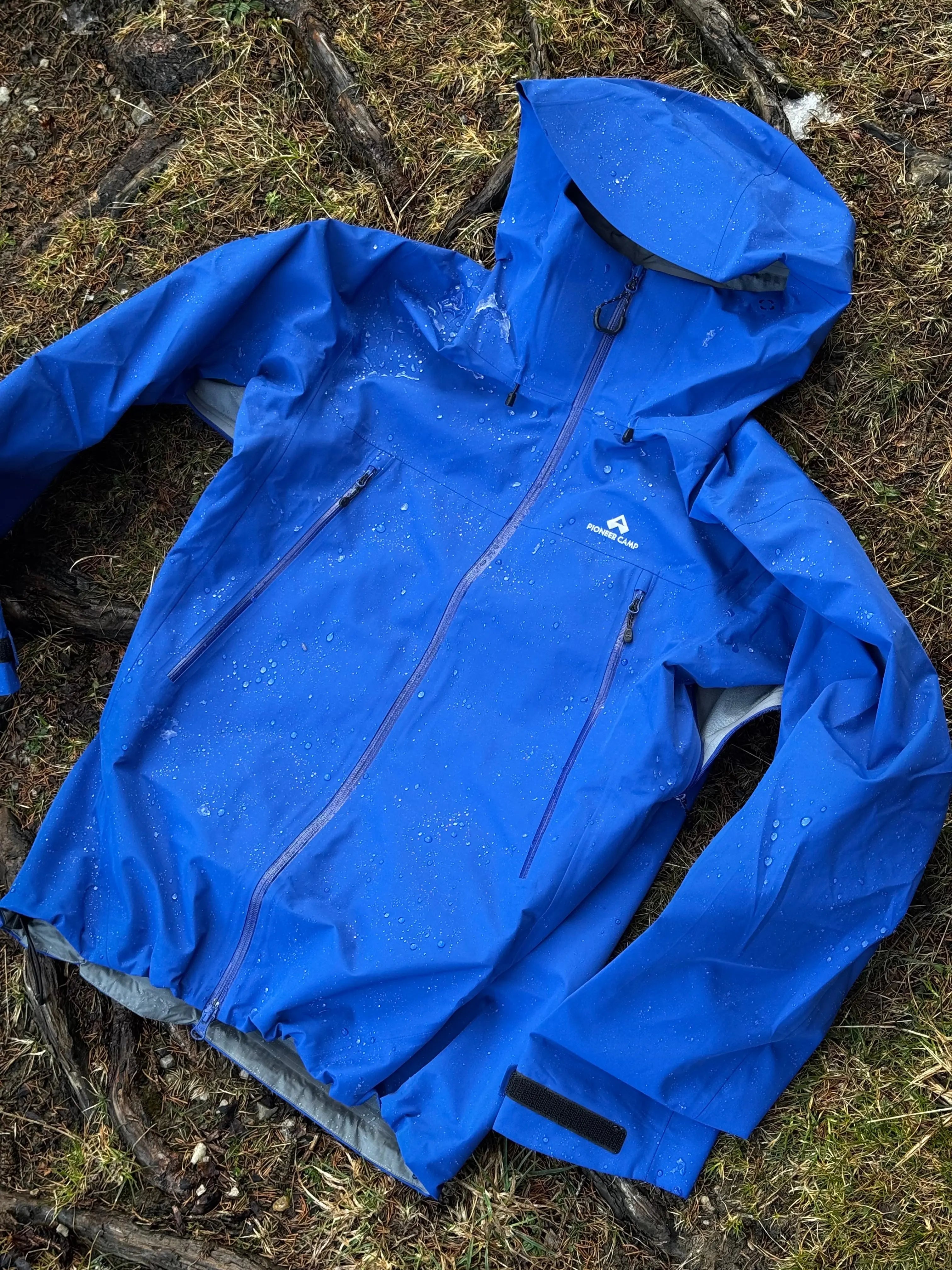
Take a closer look at a technical hardshell and you'll notice details that aren't always found on basic rain jackets.
For example:
Adjustable Storm Hood
Provides better visibility and protection in wind-driven rain.
High Protective Collar
Helps shield the neck and face from cold weather.
Adjustable Hem and Cuffs
Allows you to seal out wind and moisture.
Backpack-Friendly Pocket Placement
Keeps essentials accessible while wearing a pack.
Each feature may seem small, but together they create a jacket designed for long days outdoors.
What About Rain Pants vs Hardshell Pants?
The same principle applies to pants.
Rain Pants
Typically designed for emergency weather protection.
You carry them in your pack.
When rain arrives, you pull them on.
When the rain stops, they go back into the pack.
Their priorities are:
- Lightweight
- Packable
- Simple
Hardshell Pants
Designed for more demanding environments.
They're commonly used for:
- Mountain hiking
- Winter trekking
- Alpine adventures
- Snow travel
Compared with standard rain pants, hardshell pants often offer greater durability, weather resistance, and long-term comfort.
Which One Is Right for You?
The answer depends on how you spend your time outdoors.
Choose a Rain Jacket If:
- You mainly travel or commute
- You hike occasionally
- You want lightweight emergency protection
- Packability is your priority
Choose a Hardshell If:
- You hike regularly
- You backpack or trek
- You spend long hours outdoors
- You encounter changing weather
- You need reliable all-day protection
The Pioneer Camp Approach
At Pioneer Camp, we believe outdoor gear should match the adventure.
Not every trail requires a technical hardshell.
And not every waterproof jacket needs expedition-level features.
The key is understanding where you'll use it.
For everyday outdoor adventures, a lightweight rain jacket may be all you need.
For challenging hikes, backpacking trips, and unpredictable mountain weather, a well-designed hardshell can provide the confidence to keep moving when conditions change.
Final Thoughts
Rain jackets and hardshells share one important goal: keeping you dry.
But they serve different purposes.
A rain jacket is designed for occasional weather protection.
A hardshell is designed for sustained outdoor performance.
Before choosing one, ask yourself a simple question:
Am I preparing for rain—or preparing for the outdoors?
The answer will usually tell you which jacket belongs in your pack.