

A 45°F morning can become a 65°F afternoon. Add sun, shade, elevation, and wind, and the temperature your body experiences may change even more. Dressing for the coldest moment with one heavy piece often leads to overheating later. Dressing only for the afternoon can make the start miserable.
The practical answer is a set of light, removable layers—and knowing when to use them.
Start slightly cool, not cold
You should not shiver at the trailhead, but you also do not need to feel as warm as you would while standing still all day. Movement will create heat. If you start fully bundled for the parking lot, the first climb may leave your layers damp.
Build around a breathable base
A quick-drying base layer creates the foundation. Short sleeves may work for high-output activity and mild afternoons; long sleeves add coverage for cool air and sun. The base should remain comfortable when every other layer comes off.

Use a midlayer you can vent
A full-zip fleece is easy to open during movement and close during a stop. A vest warms the core while leaving the arms free and can be useful in moderate conditions. Keep the midlayer accessible rather than compressed at the bottom of your pack.
Explore: fleece vests for adaptable warmth
Let the outer layer manage exposure
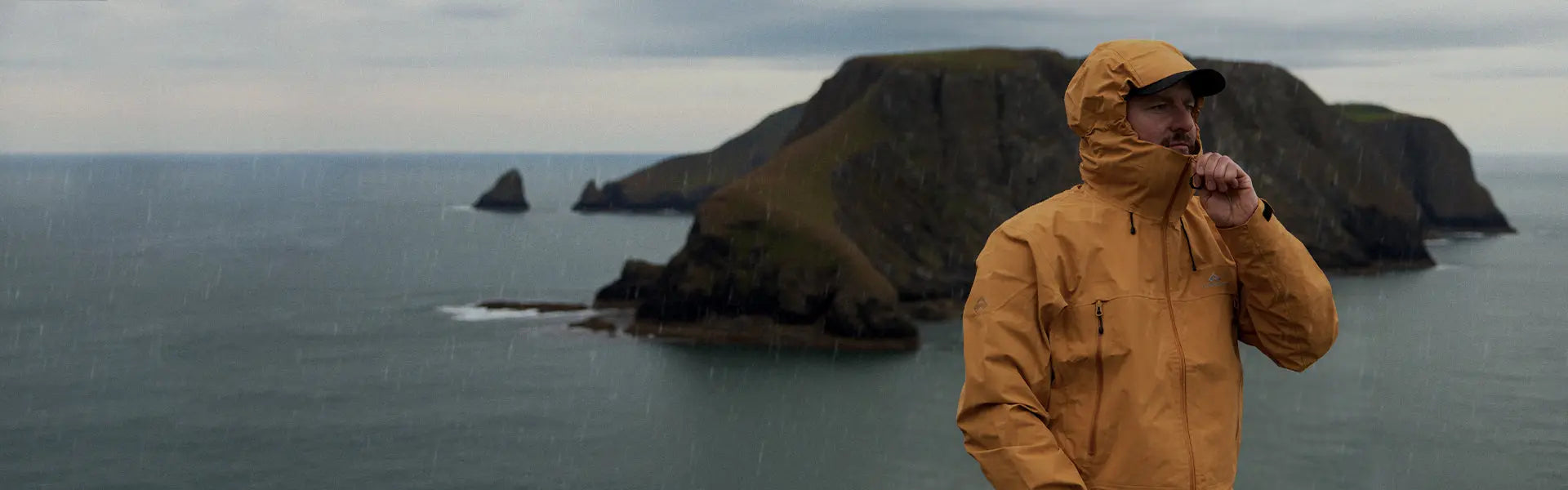
Temperature is only part of comfort. Wind can make a mild ridge feel cold, while sun on a sheltered climb can feel much warmer than the forecast. A windbreaker manages dry wind. A hardshell adds dependable rain protection. A softshell offers a breathable middle ground for active use in cool conditions.
Think in transitions, not outfits
- Cold start: base + light fleece + wind protection if needed
- Sustained climb: base, with zippers open or midlayer removed
- Exposed ridge: add wind or weather shell before you feel chilled
- Lunch stop: put the fleece back on immediately
- Warm descent: vent again, but keep a layer ready for shade
Protect hands and head without adding bulk
A light beanie, cap, neck gaiter, or thin gloves can add surprising comfort and take little space. These pieces are easy to remove, making them useful for fine-tuning warmth when a whole jacket would be too much.
Do not forget the lower body
Stretch hiking pants cover changing terrain and temperatures better than heavy casual pants. If the morning is especially cold, a thin base layer under the pants may be more flexible than switching to a bulky insulated pant for the full day.
Pack for the slowest part of the plan
Your clothing needs change when you stop moving. If the trip includes a viewpoint break, camp setup, photography, or an unexpected delay, carry enough warmth for that lower-output period—not only the climb.
Timing matters: Add a layer before a windy stop and remove one before a long climb.
Fall comfort is less about predicting the exact temperature than about making fast, small adjustments. When every layer has a clear job, a changing forecast becomes easier to enjoy.