

Fall to Winter Layering Guide: Fine-Turning Your Kit for Colder Days
The shift from fall to winter rarely happens all at once. Lower trails may still feel mild, while exposed ridges turn cold and the first snow arrives higher up. A sunny approach can lead to a shaded climb, followed by a much colder walk out.
For experienced outdoor enthusiasts, this transition calls for a closer look at how the whole clothing system works. Familiar layers may still serve you well, but their roles change as temperatures fall, daylight shortens, and time spent stationary becomes more demanding.
The most useful adjustments often involve what you carry, when you add insulation, and how comfortably your layers fit together. Here’s how to refine your setup across five fall-to-winter scenarios.
1. Fall & Early-Winter Hiking: Plan for the Coldest Part of the Route
During the seasonal transition, the temperature at the trailhead tells only part of the story. Elevation, shade, wind exposure, and the timing of your return can create very different conditions along the route.
A lightweight fleece and a separate wind-resistant layer offer flexibility on days that alternate between sheltered climbs and exposed terrain. You can adjust insulation and wind protection independently as your effort changes. Carry a waterproof shell when the expected conditions call for rain or wet-snow protection.
As the season advances, give your rest layer more attention. The jacket you barely used on an early-fall hike may become essential for a summit break or a slower return late in the day. Choose its warmth around the conditions you expect while stationary, as well as your personal comfort needs.
Reconsider your trousers, too. Lightweight hiking pants may still suit mild routes, while colder, windier outings can make softshell pants or a suitable leg-layer combination more useful.
Seasonal adjustment: Keep your moving layers adaptable, and review the warmth you carry for exposed breaks and the return journey.
Explore the fall hiking/camping sets: Shop the Men's Fall Hiking/Camping Bundle or Shop the Women's Fall Hiking/Camping Bundle.
2. Cold-Weather Climbing: Prepare for Longer, Colder Belays
A fall climbing day may begin with a warm approach and finish at a shaded crag or exposed stance. As winter approaches, the difference between climbing comfort and belay comfort becomes more pronounced.
Keep your climbing layers suited to movement. Check that added insulation doesn’t restrict your shoulders, crowd your forearms, or pull the hem out of position when you reach overhead.
Your belay layer should fit comfortably over the clothing you expect to wear on the route. Test the full combination, including your shell where relevant, so you can add warmth without rearranging the entire system.
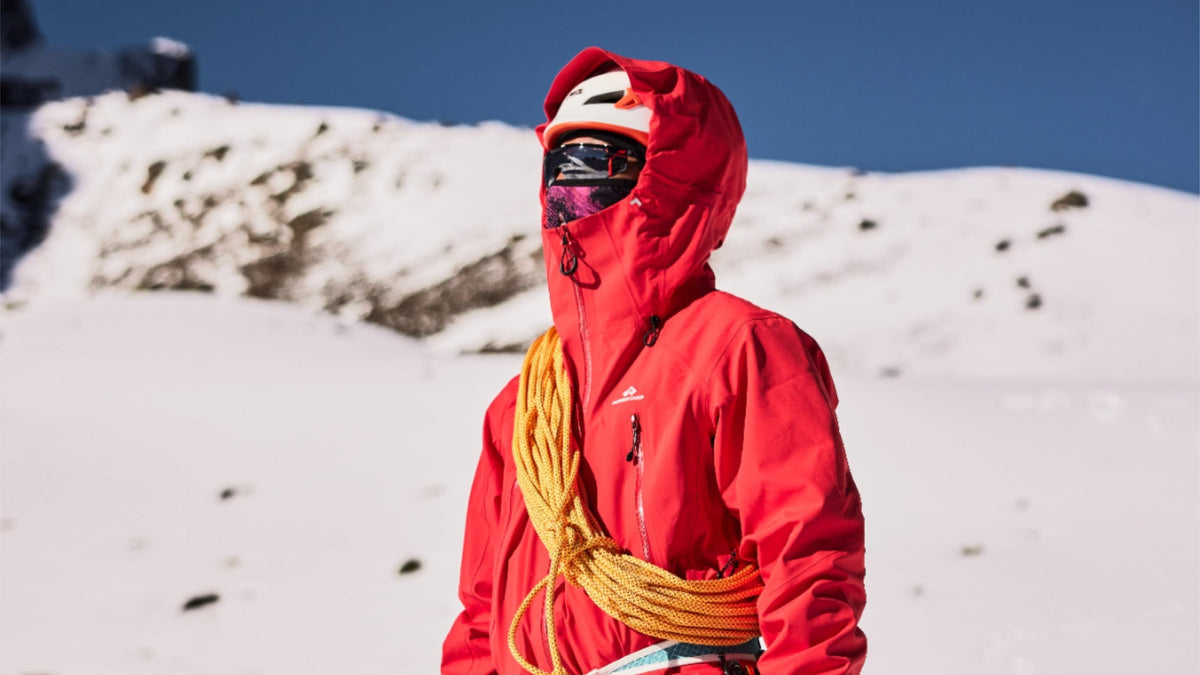
Cold-weather accessories introduce additional fit considerations. Check hood compatibility with your helmet, sleeve coverage when reaching, and how cuffs work with gloves. Pocket and zipper access should remain practical with your harness on.
Match the carried insulation to the route’s likely rhythm. Short routes with frequent movement and long multipitch climbs with extended waits can demand different amounts of stationary warmth.
Seasonal adjustment: Reassess your belay insulation and test it over your complete climbing setup before the colder days arrive.

Explore the climbing sets: Shop the Men's Climbing Bundle or Shop the Women's Climbing Bundle.
3. Early-Season Ski & Snow: Keep the Uphill and the Stop in Balance
The first snow can arrive while nearby valleys still feel like fall. Early-season outings may involve a mixture of sheltered approaches, exposed slopes, wet snow, and colder conditions higher up.
Begin with the day’s activity pattern.
For lift-served skiing, choose insulation that works across repeated descents and relatively inactive chairlift rides. Wind and weather protection become part of maintaining comfort through those cycles.
For uphill travel, sustained effort may require lighter insulation while moving, with additional warmth carried for transitions, breaks, and the descent. Keep that extra layer accessible so it can be added promptly when your pace drops.
Vent before excess heat builds into substantial sweat. If open vents no longer provide enough adjustment, change the insulation you’re wearing rather than relying on ventilation alone.
Review the lower-body system alongside the upper body. Base-layer thickness, trouser insulation, and venting should match your activity. Test overlapping hoods, collars, gloves, and cuffs with everything closed for colder exposure.
Seasonal adjustment: Carry warmth for the colder phases of the day while preserving enough adjustment for sustained effort.

Explore the snow and ski sets: Shop the Men's Snow & Ski Bundle or Shop the Women's Snow & Ski Bundle.
4. Fall & Winter Trail Running: Revisit Your Backup Layers
As temperatures fall, the outfit that works while running may stay relatively light. The clothing needed for a prolonged stop can change much more.
Review your carried system as routes become colder, more exposed, or harder to leave quickly. Duration, elevation, forecast, distance from shelter, and possible delays should inform the backup layers you choose.
A wind jacket and a waterproof shell serve different purposes. Decide what protection the route requires, then consider whether an additional insulating layer is appropriate for colder conditions and time spent still.
Small accessories can provide useful adjustment. Gloves and a headband or hat are easy to add as exposure changes, but they should complement the broader system you need for the route.
Test everything with your running vest. Extra clothing changes how the load sits, and cold-weather layers should remain easy to retrieve. Check for rubbing at the neck and underarms, and practice packing your jacket back into its intended pocket.
Seasonal adjustment: Reassess what you carry for a stop or delay, even when your preferred running outfit changes very little.
Explore the cold-weather trail running sets: Shop the Men's Cold Weather Trail Running Bundle or Shop the Women's Cold Weather Trail Running Bundle.
5. Everyday & City: Extend Your Outdoor Layers into Winter
The seasonal transition brings more variation to everyday dressing, too. A brisk walk to the station, a warm train, and a cold evening outside can all happen within the same commute.
Keep your outfit easy to adjust. A fleece can continue to work through fall, with a vest or insulated jacket added as mornings and evenings become colder.
Consider how much movement the day includes. A warmer jacket may suit time spent waiting outside, while an active commute benefits from a combination you can open or remove easily.
As you add insulation, check comfort beneath a backpack and when seated. Collars, cuffs, and sleeves that worked well individually may feel crowded together. Leave enough room for the combinations you’ll wear most often.
This is a useful opportunity to extend the role of familiar outdoor pieces. A fleece worn beneath a shell on weekend hikes can serve as a weekday layer, while a lightweight insulated jacket can move between daily use and suitable outdoor outings.
Seasonal adjustment: Build around your colder morning and evening needs, with straightforward adjustments for movement and indoor warmth.

Explore the everyday sets: Shop the Men's Cold Weather Everyday Wear Bundle or Shop the Women's Cold Weather Everyday Wear Bundle.
Check Your System as the Season Changes
Adding a warmer piece can alter the fit and function of everything around it. Try your fall-to-winter combinations together before heading out.
Check that your shell accommodates the planned insulation without restricting movement or compressing it excessively.
Reach overhead and bend forward to assess sleeve and hem coverage.
Check for crowding where collars, hoods, and cuffs overlap.
Test pocket and zipper access with your pack, vest, or harness.
Place frequently used layers where you can reach them quickly.
Review dry spare clothing and accessories for the expected conditions.
A setup that worked comfortably in early fall may need only a few changes. Identifying those changes makes the transition easier.
Make the Transition with Purpose
Look at your next outing in stages: the approach, the exposed section, the longest stop, and the journey back. Decide what you’ll wear and what you’ll carry for each.
As winter approaches, those decisions help you preserve freedom of movement while adding warmth where it matters most. Build on the pieces you know, check how they work together, and adjust the system around the colder days ahead.
Explore Pioneer Camp’s fleece, insulated jackets, protective shells, and outdoor pants to refine your fall-to-winter layering setup.
FROM HIKERS FOR HIKERS.