


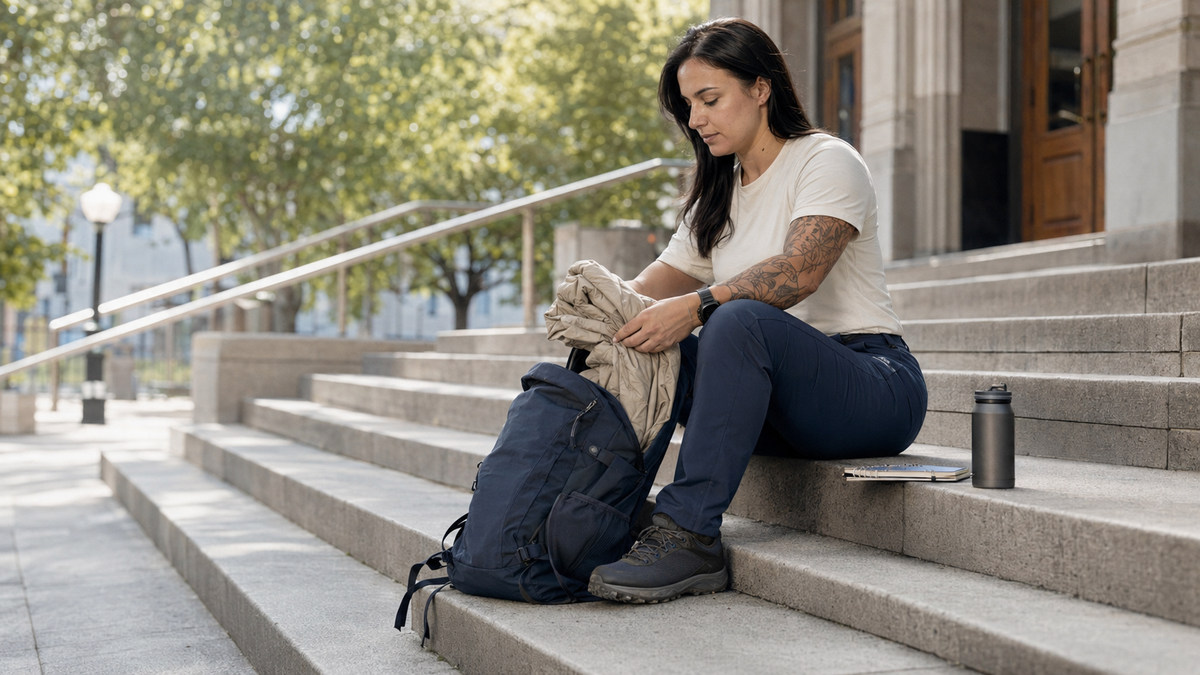
Back-to-School Clothing Checklist: Durable Essentials for College Students
Starting college—or returning for another semester—usually means preparing for more than lectures and assignments. A typical day might include an early walk across campus, hours in an air-conditioned classroom, an afternoon workout, an unexpected rain shower, and a weekend trip out of town.
With limited dorm-room storage, bringing more clothes is not always the answer. A smarter approach is to build a practical wardrobe around durable, comfortable pieces that work across different activities and weather conditions.
This back-to-school clothing checklist covers the essentials college students need for campus days, daily commutes, changing seasons, and spontaneous weekend adventures.
What Makes Clothing Suitable for College Life?
College clothes need to do more than look good. They should be comfortable enough for long days, easy to care for, and versatile enough to move between different settings.
When choosing what to bring, look for clothing that is:
- Durable: Able to handle frequent wear, washing, commuting, and everyday movement.
- Versatile: Suitable for class, casual social plans, travel, and outdoor activities.
- Easy to layer: Helpful when temperatures change between mornings, afternoons, and air-conditioned buildings.
- Weather-ready: Designed to provide protection from light rain, wind, or sudden drops in temperature.
- Comfortable: Flexible enough for walking across campus, sitting through lectures, or cycling to class.
- Easy to care for: Quick-drying or low-maintenance clothing is especially useful when laundry facilities are shared or limited.
The goal is not to prepare a separate outfit for every possible activity. It is to choose fewer pieces that can be mixed, matched, and worn in several ways.
The Essential College Clothing Checklist
1. A Lightweight Waterproof Jacket
A dependable waterproof jacket is one of the most useful items in a college wardrobe. Weather can change quickly, and students often need to walk between buildings regardless of rain or wind.
Choose a jacket that is light enough for daily use and roomy enough to wear over a sweatshirt, fleece, or other mid-layer. Practical details such as an adjustable hood, secure pockets, and a comfortable fit can make a significant difference during a wet commute.
A versatile waterproof jacket can be used for:
- Walking or cycling to class
- Rainy campus events
- Outdoor club activities
- Weekend hikes and day trips
- Travel during fall and spring breaks
Neutral colors are easy to coordinate with everyday outfits, while brighter colors can improve visibility on dark or rainy days.

2. A Fleece or Comfortable Mid-Layer
Classrooms, libraries, and dorm buildings are not always kept at the same temperature. A fleece jacket or lightweight mid-layer provides convenient warmth without taking up as much space as a heavy winter sweater.
Wear it by itself on a cool, dry day or underneath a waterproof shell when the weather becomes colder. A zip-front design is especially convenient because it can be removed or adjusted quickly when moving between indoor and outdoor environments.
A useful mid-layer should feel comfortable over a T-shirt while still fitting easily beneath an outer jacket.
3. Comfortable Everyday Pants
College students spend a surprising amount of time walking, sitting, climbing stairs, and carrying bags. Everyday pants therefore need to provide both comfort and freedom of movement.
Stretch hiking pants, quick-dry pants, and casual cargo pants can work well beyond the trail. Their functional designs make them suitable for lectures, campus commutes, travel, and weekend activities.
When choosing pants for college, consider:
- Stretch and mobility
- Breathable, comfortable fabric
- Durable construction
- Secure and practical pockets
- A fit that works with different tops and shoes
- Fabric that is easy to wash and dry
Two or three versatile pairs are often more useful than several pairs that only work with specific outfits.
4. Quick-Dry Tops and Base Layers
Basic T-shirts and long-sleeve tops form the foundation of a college wardrobe. While cotton is comfortable for casual use, quick-dry tops can be especially practical for active days, warm weather, workouts, and travel.
Moisture-managing fabrics help students stay comfortable when walking long distances or moving between different temperatures. They also tend to dry faster after washing, which is useful in dorms with limited laundry access.
Choose simple colors that can be worn on their own or layered beneath a fleece, overshirt, or jacket.
5. A Versatile Insulated Jacket
Students attending college in a colder climate will also need a reliable insulated jacket. The best option depends on the local winter, but versatility should remain a priority.
Look for a jacket that provides warmth without feeling unnecessarily bulky. It should be comfortable enough for everyday campus use and easy to combine with other layers when temperatures fall.
In moderately cold conditions, an insulated jacket may be worn as the outer layer. In wet or windy weather, it can be combined with a protective shell for additional coverage.
Before packing a very heavy coat, check the typical temperatures and weather conditions around the college. Students moving to a new region may need a different level of insulation than they use at home.
6. Weather-Ready Footwear
Campus life can involve several miles of walking each day, so comfortable footwear is essential.
A practical college shoe collection might include:
- A comfortable everyday walking shoe
- An athletic shoe for workouts or sports
- A weather-resistant or grippy shoe for rain and outdoor activities
- A more formal option if required for presentations, interviews, or events
Prioritize support, comfort, and traction over appearance alone. If the campus regularly experiences rain or snow, footwear with a more protective upper and dependable outsole can make daily commutes much easier.
7. Practical Accessories
Small accessories can have a major impact on everyday comfort.
Useful items include:
- A quick-dry baseball cap for sunny days
- A warm beanie for winter
- Lightweight gloves
- Sunglasses
- A comfortable backpack
- A compact umbrella
- A reusable water bottle
- Warm or moisture-managing socks
Students who spend time outside should also consider sun protection and accessories that can be packed easily into a backpack.
How Many Clothes Should a College Student Bring?
The right number depends on personal style, access to laundry, local weather, and how often the student exercises. However, the following list provides a practical starting point:
- 5–7 everyday tops
- 2–3 long-sleeve tops
- 2–3 pairs of everyday pants
- 1–2 pairs of quick-dry or active pants
- 1–2 sweatshirts, fleeces, or mid-layers
- 1 lightweight waterproof jacket
- 1 insulated jacket for colder weather
- 1–2 sets of workout clothing
- 1 slightly more formal outfit
- 2–3 pairs of shoes for different situations
- Seasonal accessories based on the local climate
Students with regular access to laundry may need fewer items. Those participating in sports, outdoor clubs, or frequent weekend trips may want additional active clothing.
It is also a good idea to leave some empty space. Personal preferences often change after students experience the campus climate and settle into their daily routines.
Build a Simple Campus Layering System
Layering makes it easier to prepare for changing weather without bringing an oversized wardrobe. A simple three-layer system can cover most campus and weekend situations.
Base Layer
The base layer sits closest to the skin and helps keep the wearer comfortable. This could be a lightweight T-shirt, long-sleeve top, or moisture-managing active shirt.
Mid-Layer
The mid-layer provides warmth. A fleece, lightweight sweatshirt, or insulated layer can be added or removed depending on the temperature.
Outer Layer
The outer layer helps protect against wind and rain. A waterproof or weather-resistant jacket can be worn over the other layers when conditions become less predictable.
For an ordinary day on campus, this might mean wearing a quick-dry T-shirt with a fleece and keeping a lightweight rain jacket in a backpack. For a weekend hike, the same three pieces can form a functional outdoor outfit.
A good layering system allows students to adapt throughout the day without needing completely different wardrobes for campus life and outdoor activities.
Campus-to-Weekend Outfit Ideas
Rainy Campus Commute
Combine a lightweight waterproof jacket with a comfortable top, stretch pants, and shoes with reliable traction. Choose pants that allow easy movement and are not difficult to care for after a wet commute.
This outfit works for walking to class, running errands, and meeting friends after lectures.
Library to Coffee Shop
Wear a basic T-shirt or long-sleeve top beneath a soft fleece, paired with casual functional pants. The fleece provides warmth in air-conditioned spaces, while the full outfit remains relaxed enough for studying or spending time around campus.
Weekend Trail Trip
Start with a moisture-managing top, add a fleece or light insulating layer, and carry a waterproof outer shell. Complete the outfit with durable hiking pants and suitable footwear.
Because each piece also works independently, students do not need an entirely separate set of clothes for occasional outdoor plans.

How to Choose Clothes That Last Beyond One Semester
College clothing is worn frequently, so durability matters. A lower-priced item that needs to be replaced quickly may offer less value than a well-made piece that can be used for several semesters.
Before buying, consider the following:
Examine the Construction
Check the seams, zippers, waistbands, and other high-use areas. These parts often show wear first.
Choose Versatile Colors
Neutral and coordinated colors make it easier to create more outfits with fewer pieces. Students can add personality through one or two brighter items or accessories.
Consider Cost Per Wear
Instead of looking only at the initial price, think about how often the item will actually be worn. A reliable jacket used for classes, travel, and weekend activities may provide better long-term value than several highly specialized pieces.
Follow the Care Instructions
Even durable clothing lasts longer when it is washed and dried correctly. Check the care label, close zippers before washing, and avoid unnecessary high heat when the instructions advise against it.
Avoid Packing Only for One Season
Students staying on campus for several months should prepare for the transition between seasons. A flexible layering system is usually more practical than relying entirely on one heavy jacket.
Frequently Asked Questions
What clothes should I bring to college?
Start with comfortable everyday tops and pants, activewear, a fleece or sweatshirt, a waterproof jacket, appropriate footwear, and seasonal outerwear. Include at least one outfit suitable for presentations, interviews, or formal events.
How many outfits does a college student need?
There is no universal number, but enough clothing for approximately one week is a practical starting point when laundry is readily available. Choosing pieces that coordinate with one another creates more outfit combinations without taking up additional space.
What type of jacket is best for walking around campus?
A lightweight waterproof or weather-resistant jacket is useful for most campuses because it provides protection from unexpected rain and wind. In colder weather, it can be combined with a fleece or insulated layer.
Are hiking pants suitable for everyday college wear?
Yes. Many modern hiking and outdoor pants have clean, casual designs while offering stretch, durable construction, and practical pockets. This makes them suitable for classes, commuting, travel, and weekend activities.
How should I dress for changing campus weather?
Use a layering system. Begin with a comfortable base layer, add a fleece or other mid-layer for warmth, and carry a protective outer jacket. Layers can be added or removed as conditions change.
How can I pack for college with limited closet space?
Choose versatile clothing in coordinating colors, pack enough for approximately one laundry cycle, and avoid bringing several items that serve the same purpose. Seasonal clothing that will not be needed immediately can be stored at home and brought to campus later.